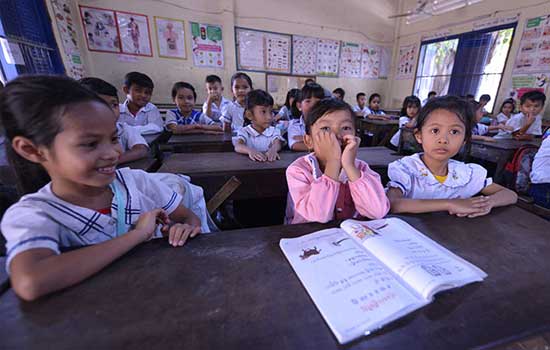
Girls' Education in Cambodia
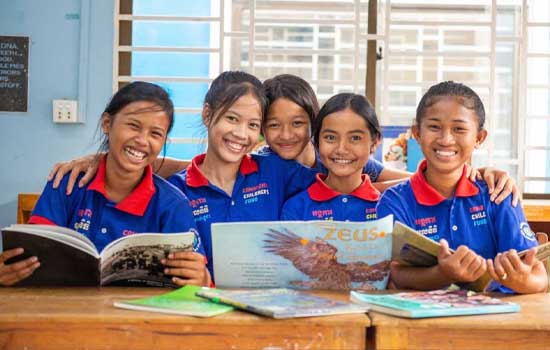
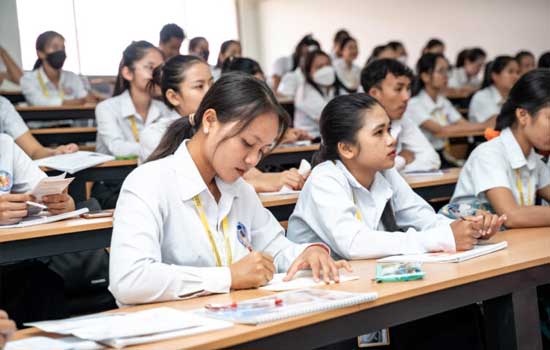
Girls' education in Cambodia has made significant progress over the past two decades, with more girls enrolling in primary and secondary schools than ever before. Increased government investment, community awareness, and support from international organizations have helped improve access to education, creating new opportunities for girls to develop the knowledge and skills needed for brighter futures.
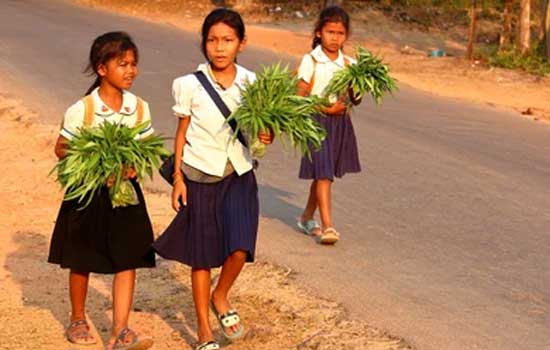
Despite these achievements, many Cambodian girls continue to face challenges that limit their educational opportunities. Poverty, early marriage, household responsibilities, long travel distances to schools, and limited access to learning resources remain common barriers, particularly in rural and remote communities. These factors can contribute to lower school attendance and higher dropout rates among adolescent girls.
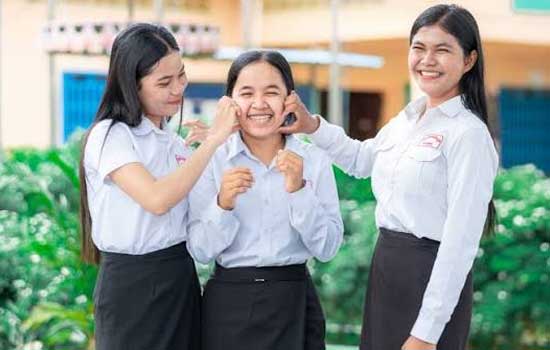
Education plays a vital role in empowering girls by increasing literacy, improving employment prospects, and promoting gender equality. Girls who complete their education are more likely to secure stable jobs, make informed health decisions, delay early marriage, and contribute to the economic and social development of their communities. Educated women also play an important role in improving the well-being of future generations by supporting children's education and family health.
The Cambodian government, together with local organizations, educators, and international development partners, continues to implement programs that encourage girls to stay in school. These initiatives include scholarships, school meal programs, improved sanitation facilities, teacher training, and campaigns that promote equal educational opportunities for all children regardless of gender.
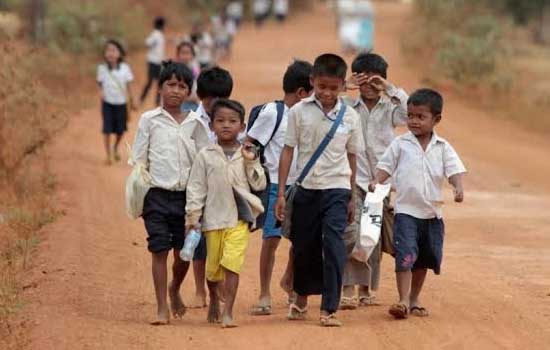
While challenges remain, Cambodia continues to make meaningful progress toward expanding access to quality education for girls. Strengthening educational infrastructure, reducing financial barriers, and creating safe, inclusive learning environments will help ensure that every Cambodian girl has the opportunity to reach her full potential and contribute to the country's sustainable development.
Girls' education is a cornerstone of Cambodia's social and economic development, providing young women with the knowledge, confidence, and opportunities to build successful futures. Over the years, Cambodia has achieved notable improvements in school enrollment and literacy, with more girls attending primary and secondary education than ever before. Continued investments in education have helped narrow the gender gap and promote equal access to learning across much of the country.
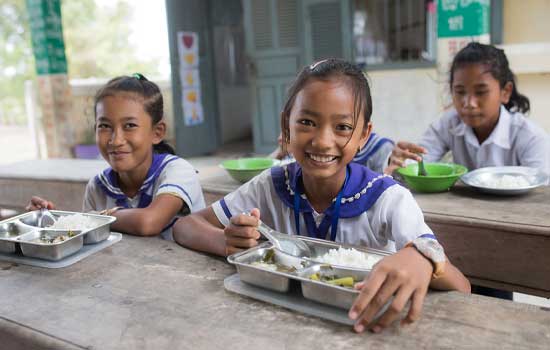
However, many girls still face obstacles that prevent them from completing their education. Financial hardship, limited access to schools in rural areas, domestic responsibilities, child labor, and early marriage remain significant challenges. In some communities, families struggle to afford school supplies, transportation, or uniforms, making it difficult for girls to continue their studies through secondary school and beyond.
Educating girls creates lasting benefits that extend far beyond the classroom. Girls who receive quality education are more likely to pursue higher education, gain meaningful employment, earn higher incomes, and participate in community leadership. Education also improves health outcomes, reduces poverty, supports gender equality, and empowers women to make informed decisions about their lives and families.