Flooding in Cambodia Leaves at Least 11 Dead
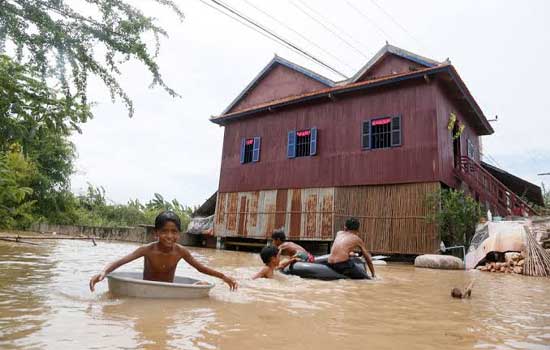
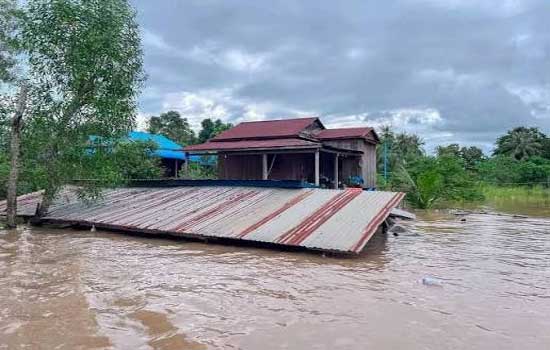
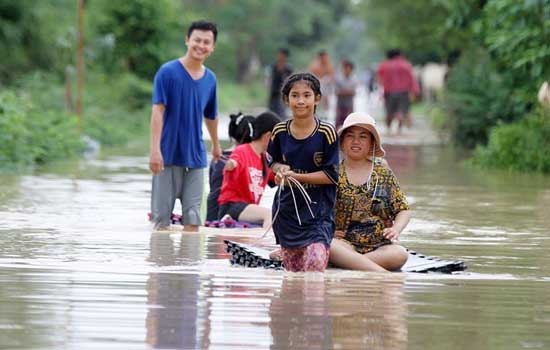
Severe flooding across Cambodia has claimed at least 11 lives after days of heavy rainfall caused rivers to overflow and inundated communities in several provinces. The floods damaged homes, roads, bridges, and agricultural land, forcing many families to evacuate to safer areas while emergency teams worked to provide food, clean water, and temporary shelter.
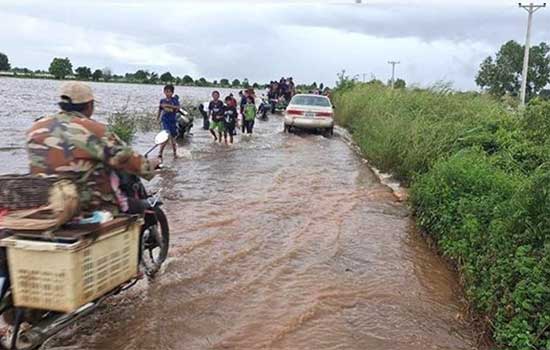
Authorities reported that persistent monsoon rains, combined with rising river levels, led to widespread flooding in low-lying districts. Thousands of hectares of rice fields and farmland were submerged, raising concerns about crop losses, food security, and the livelihoods of rural communities that depend on agriculture. Transportation was also disrupted as floodwaters cut off roads and affected travel between villages and towns.
Emergency response agencies coordinated rescue operations, monitored water levels, and warned residents living near rivers and flood-prone areas to remain alert for additional flooding. Local authorities encouraged people to avoid crossing flooded roads, move valuables to higher ground, and follow evacuation instructions when necessary.
Cambodia experiences seasonal flooding during the annual monsoon, typically from May through October. While these floods can replenish wetlands and support agriculture, unusually intense rainfall and prolonged storms can overwhelm drainage systems and rivers, leading to dangerous conditions for communities across the country.
The flooding serves as another reminder of Cambodia's vulnerability to extreme weather events and the growing importance of flood preparedness, resilient infrastructure, and effective disaster response. Government agencies, humanitarian organizations, and local communities continue working together to assist affected families, restore damaged infrastructure, and reduce the long-term impact of the disaster.
Flooding in Cambodia Leaves at Least 11 Dead
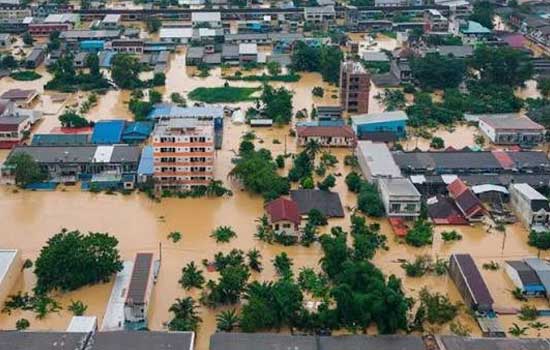
At least 11 people have died after widespread flooding swept across parts of Cambodia following days of intense monsoon rainfall. Rising water levels caused rivers and streams to overflow, inundating villages, farmland, and major roadways, while thousands of residents faced evacuations as floodwaters continued to rise.
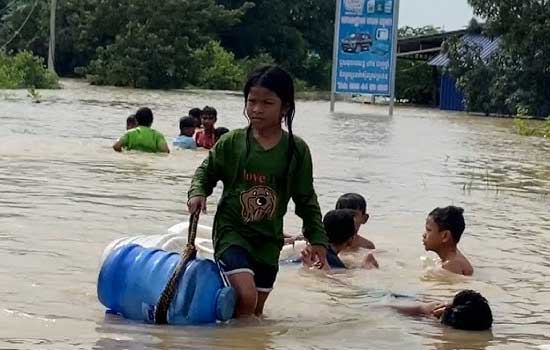
The disaster affected multiple provinces, where homes were submerged, schools temporarily closed, and transportation networks disrupted. Floodwaters damaged crops, fisheries, and public infrastructure, creating significant economic challenges for farming communities that rely on seasonal harvests. Many families sought refuge in temporary shelters as emergency responders delivered food, drinking water, medical supplies, and other essential aid.
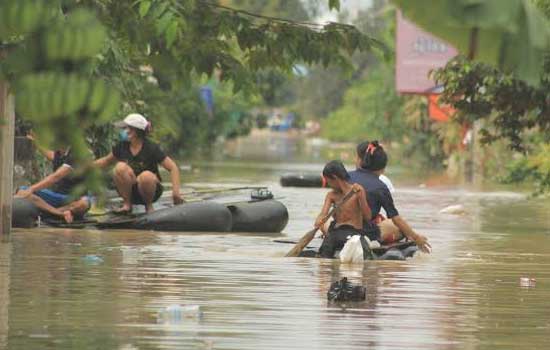
Government authorities and disaster management teams closely monitored river levels and weather conditions, issuing flood warnings and urging residents in high-risk areas to remain vigilant. Rescue teams used boats to reach isolated communities, while volunteers assisted vulnerable groups, including children, older adults, and people with disabilities.
Cambodia's annual rainy season often brings localized flooding, but prolonged periods of heavy rainfall can quickly overwhelm rivers and drainage systems. Climate variability, rapid urban development, and changing land use have increased the frequency and severity of flood-related disasters in some regions, highlighting the need for improved flood management and resilient infrastructure.
The tragedy underscores the importance of disaster preparedness, early warning systems, and community resilience. As floodwaters gradually recede, recovery efforts focus on restoring damaged homes, reopening transportation routes, supporting affected farmers, and helping communities rebuild after one of the season's most destructive flood events.