Cambodia floods put spotlight on risk of trading lakes for land
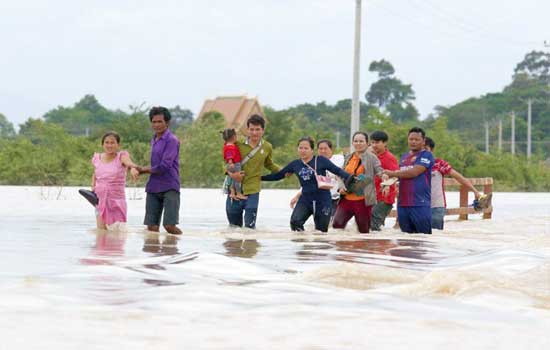
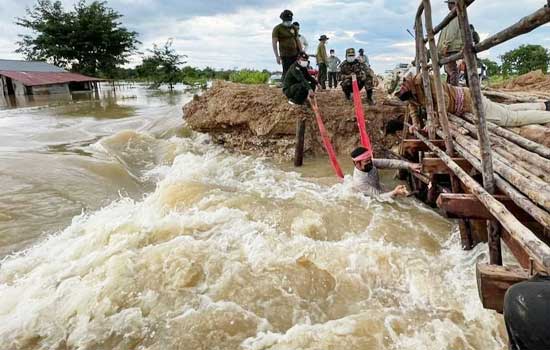
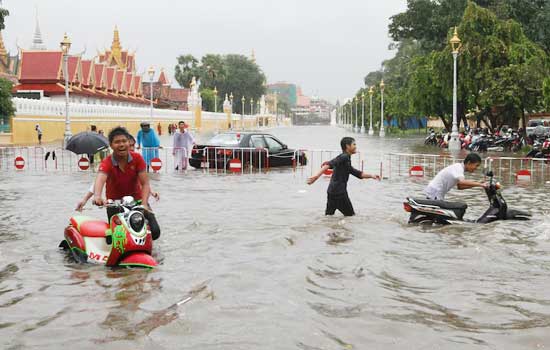
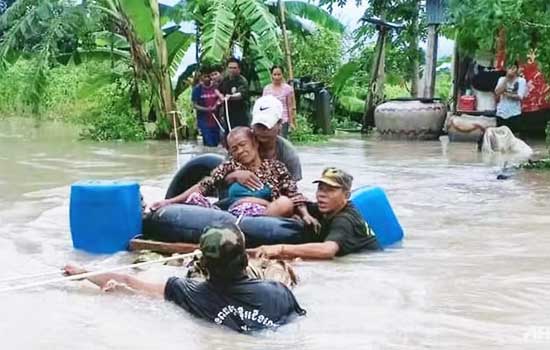
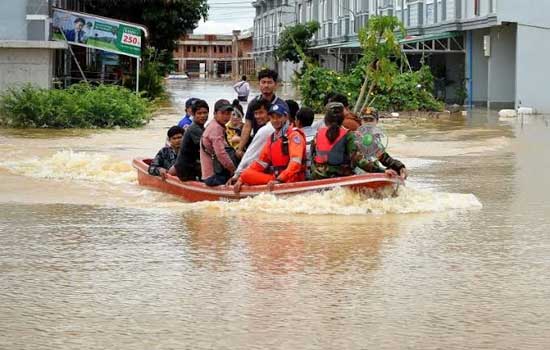
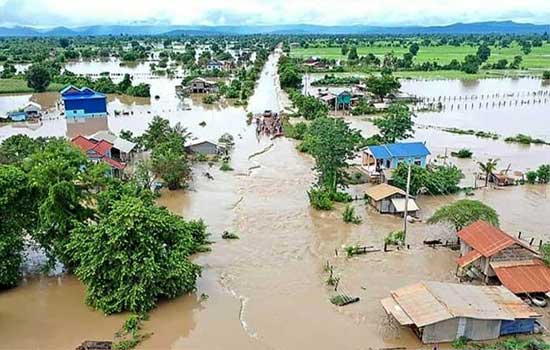
Severe flooding in Cambodia has renewed concerns about the long-term consequences of filling in lakes and wetlands for urban development. Environmental experts warn that replacing natural water bodies with housing, commercial projects, and reclaimed land reduces the country's ability to absorb heavy rainfall, increasing flood risks—particularly in Phnom Penh.
Why lakes and wetlands matter
Lakes, wetlands, and floodplains serve as natural storage basins during the rainy season. They:
Absorb excess rainwater and reduce flood levels.
Slow stormwater runoff before it reaches rivers.
Filter pollutants and improve water quality.
Support fisheries and biodiversity.
Help recharge groundwater supplies.
The impact of land reclamation
Over the past two decades, several lakes around Phnom Penh have been filled with sand to create land for residential, commercial, and industrial developments. Researchers and environmental organizations argue that this has:
Reduced the city's natural drainage capacity.
Increased the frequency and severity of urban flooding.
Displaced communities that depended on fishing and wetland resources.
Added pressure to drainage systems during intense monsoon rainfall.
Phnom Penh's growing flood risk
Phnom Penh lies at the meeting point of the Mekong, Tonlé Sap, and Bassac rivers, making effective flood management essential. Studies have warned that continued destruction of wetlands could expose more than one million residents to greater flood risks while also reducing the city's natural wastewater treatment capacity.
Climate change adds pressure
Climate change is bringing more intense rainfall and more unpredictable weather across Cambodia. While heavier storms increase flood hazards, recent research suggests that urban expansion, wetland loss, and inadequate drainage infrastructure have significantly worsened flood impacts in many areas.
Looking ahead
Experts recommend balancing economic development with environmental protection by:
Conserving remaining lakes and wetlands.
Integrating green infrastructure into urban planning.
Strengthening drainage systems.
Conducting comprehensive environmental impact assessments before major land reclamation projects.
Restoring degraded wetlands where possible.
Protecting Cambodia's natural lakes is increasingly viewed as a critical part of reducing future flood risks while preserving biodiversity, fisheries, and the resilience of rapidly growing cities.